
Photodynamic Therapy (PDT)
Photodynamic therapy (PDT), often called Levulan® after the medication it uses, is a light-activated treatment that pairs Levulan® Kerastick® (aminolevulinic acid HCl) with a specialized light to target sun-damaged and precancerous cells while improving overall skin clarity.
 ADVANCED ENERGY TREATMENTS
- Duration
- 2.5–3 hoursTreatment time per session
- Results
- Improved clarity and tone after healing; ongoing improvement with repeated treatmentsWhen you'll see changes
- Sessions
- Frequency varies by condition; often performed in a series or annuallyRecommended treatment plan
- Recovery
- Redness, peeling, and light sensitivity for several days; avoid sun/light for 48 hoursWhat to expect after
Before & after
Actual RANDALI patients, shown with consent. Individual results vary based on anatomy, treatment plan and other factors.
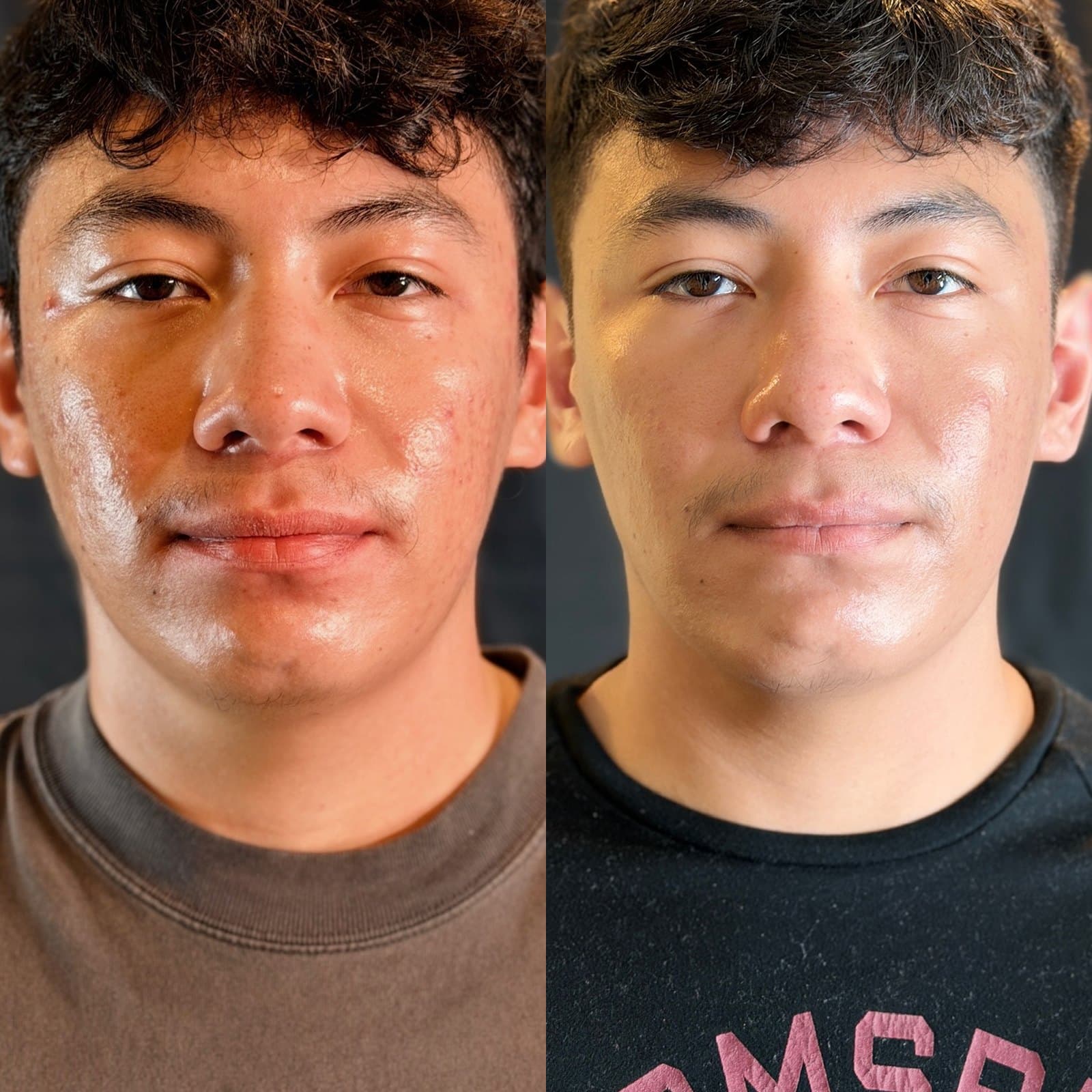 BeforeAfterAcne Management - Front view, image 1 of 5
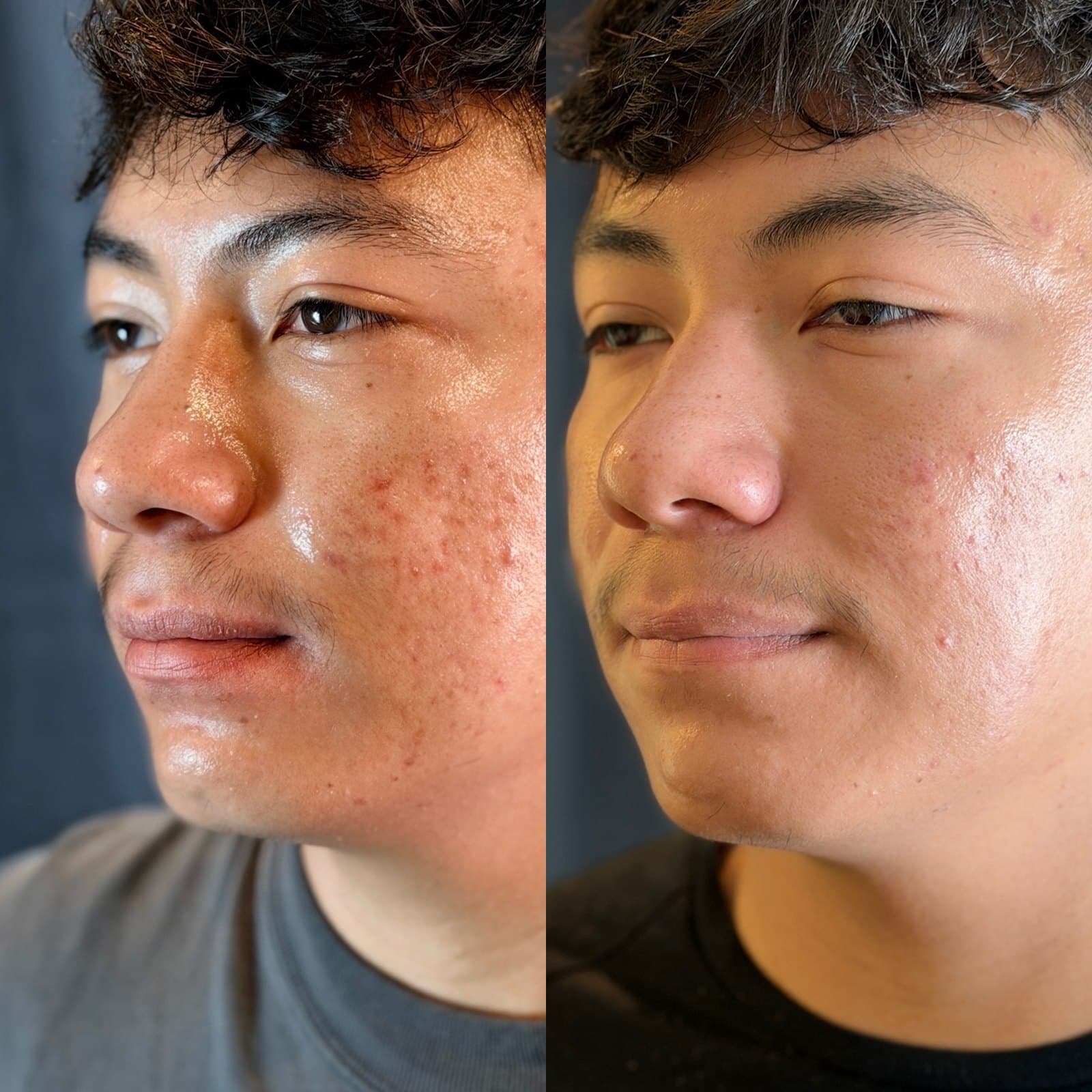
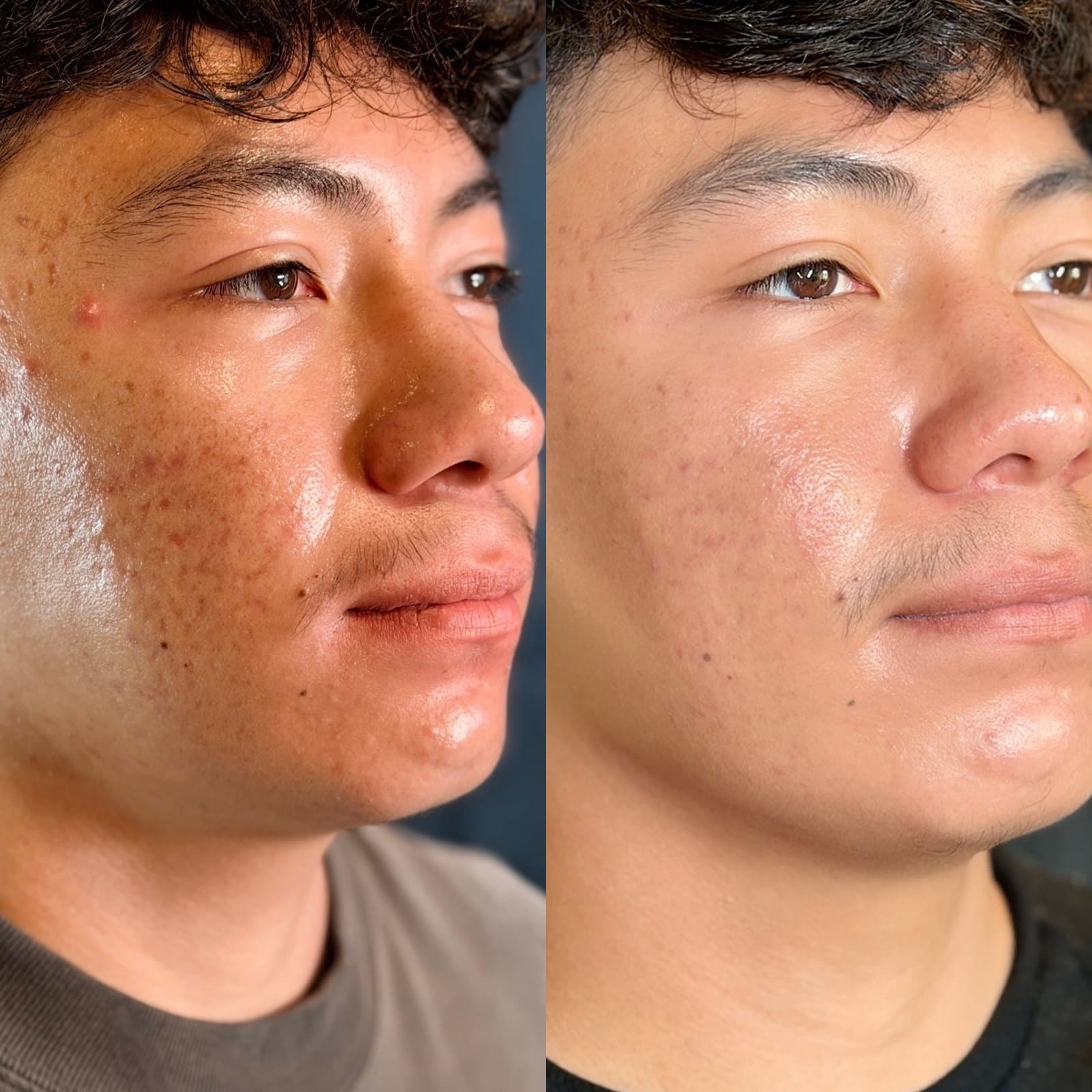
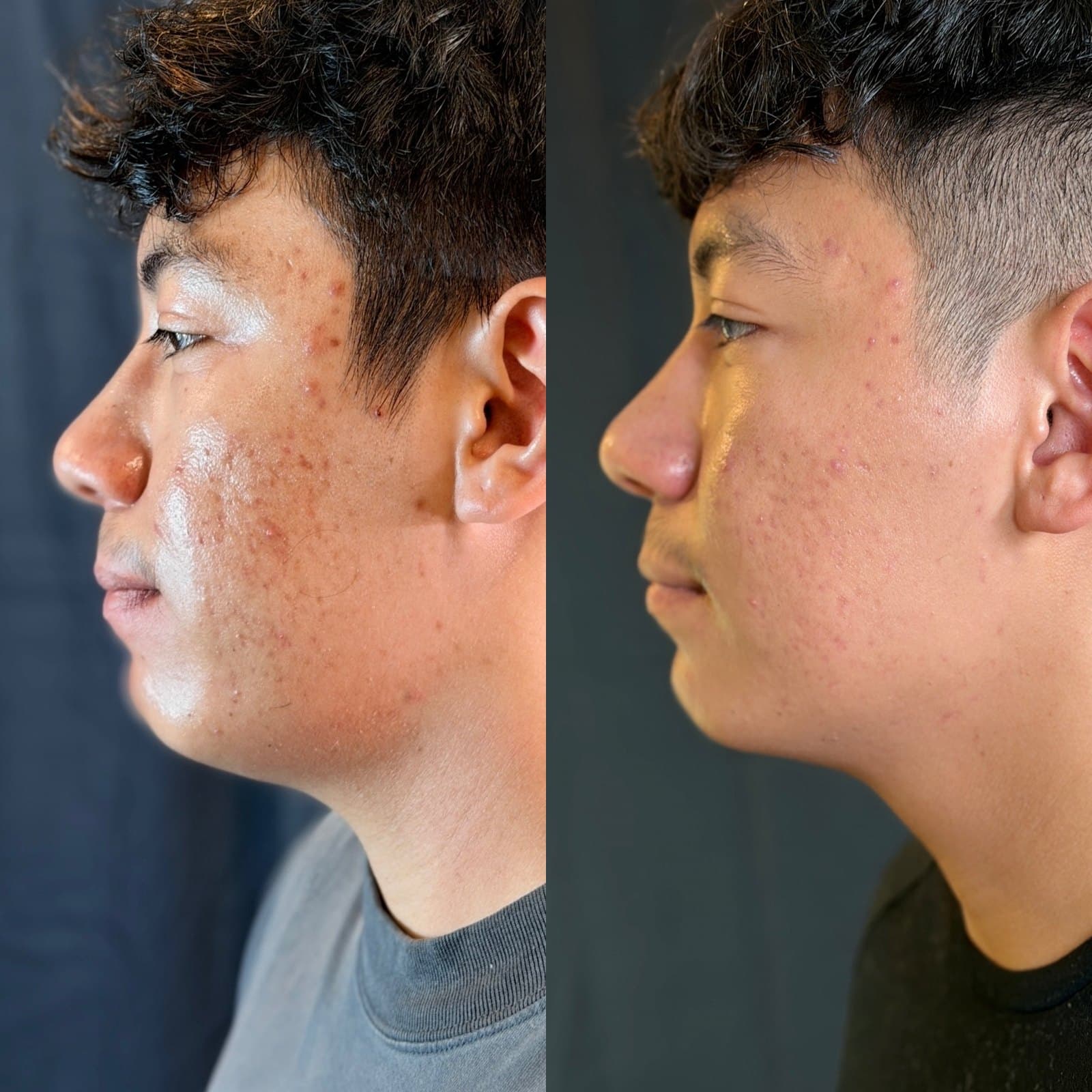
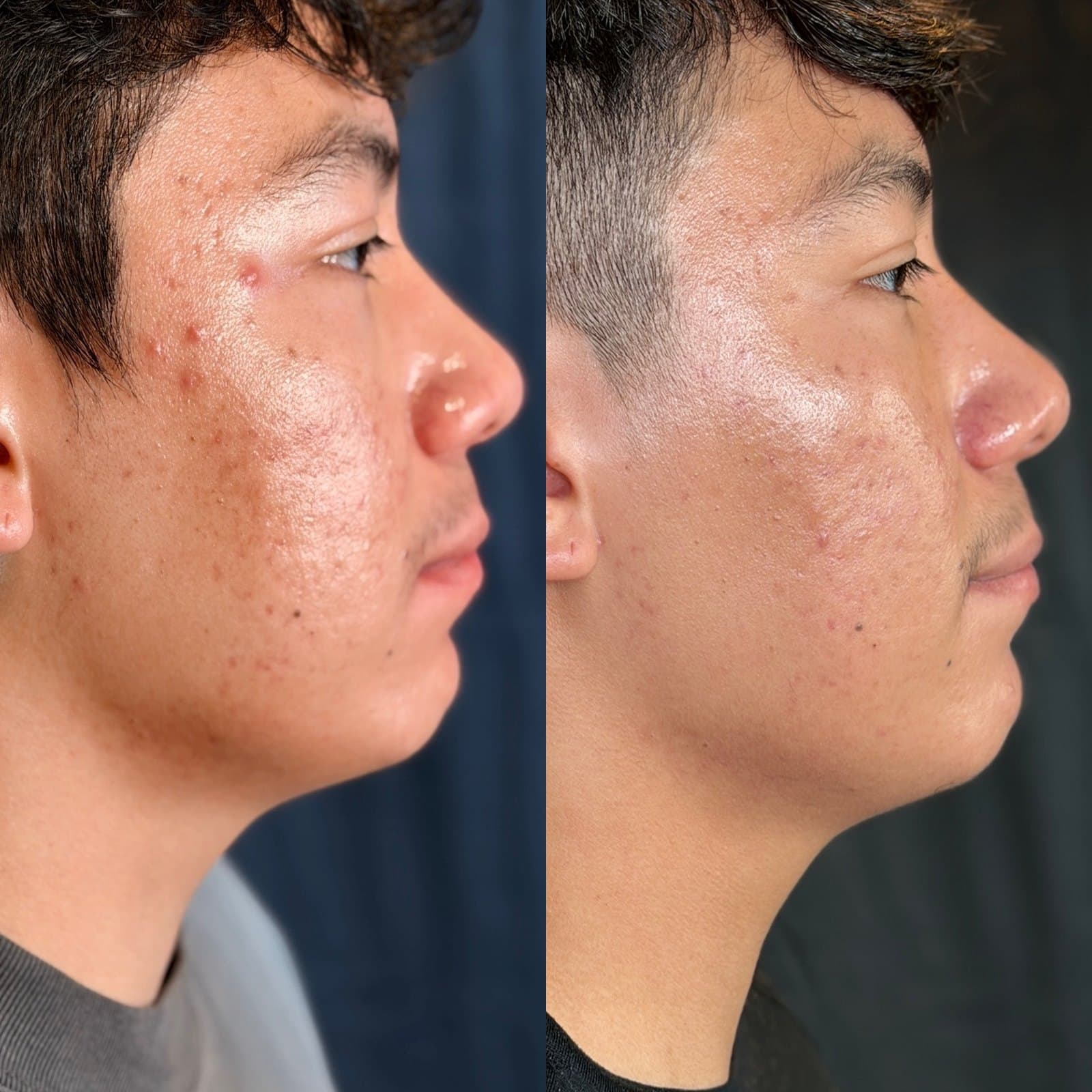
Acne Management
Front view
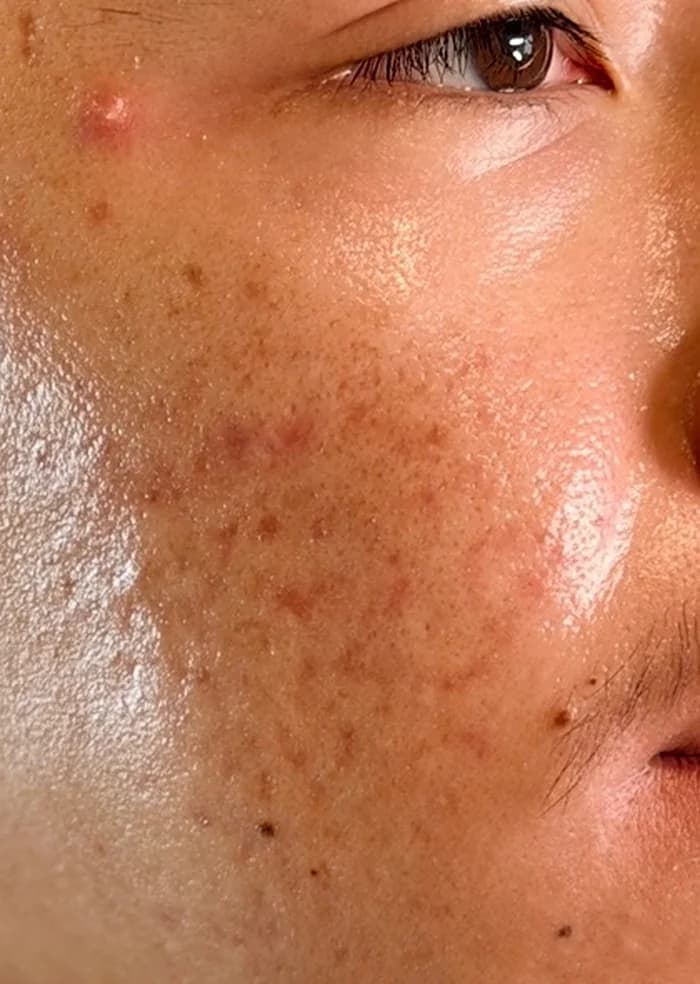
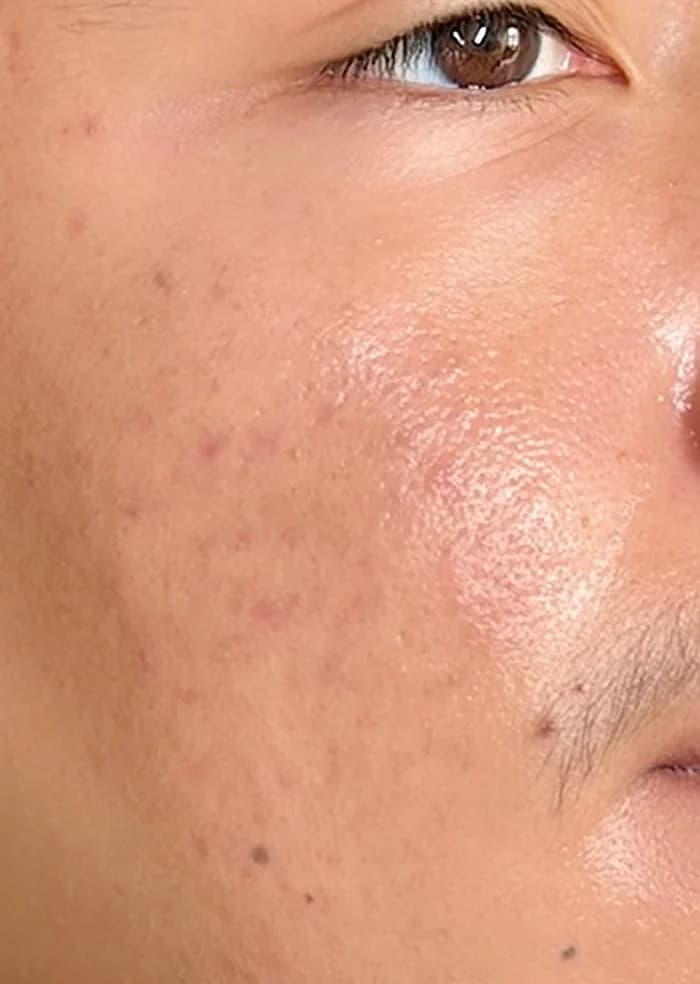
Calmer, clearer skin on the cheek after an individualized acne plan, active breakouts resolved.
Results achieved through photodynamic therapy (PDT) combined with other treatments in an individualized acne plan, alongside professionally recommended skincare.
What it is, and what it addresses
How it works
At the start of your treatment, a photosensitizing medication called Levulan® Kerastick® (aminolevulinic acid HCl) is applied to the skin and allowed to absorb during a short incubation period. A specialized light then activates the Levulan solution, targeting damaged or precancerous cells, sun damage, and acne while helping to reduce excess oil and redness.
Because Levulan temporarily makes the skin sensitive to light, it's important to avoid sun and bright light exposure for about 48 hours after your PDT session.
Patients and referring providers in Lancaster often use the terms 'photodynamic therapy,' 'PDT,' and 'Levulan' interchangeably. Each refers to this same light-activated treatment.
Benefits
- Treats sun damage and precancerous lesions
- Improves skin texture and clarity
- Helps reduce acne and oil production
- Addresses redness and uneven tone
Questions, answered

Knowing when to refer
Part of our care is knowing when a dermatologist’s office is the right next step. Advanced or complex cases are referred to a board-certified dermatologist, and we help coordinate the handoff. We refer when we see:
- A thick, tender, bleeding, or rapidly growing spot, which may need a biopsy before any treatment
- Any lesion suspected or confirmed to be skin cancer
- Actinic keratoses that persist or return after treatment
Frequently asked questions
What is Photodynamic Therapy (PDT)?
Photodynamic Therapy (PDT) is a treatment that combines a light-sensitizing medication, Levulan® Kerastick®, with a specialized light source. It is commonly used to address actinic keratoses (precancerous skin lesions) and may also be incorporated into aesthetic treatment plans to improve certain skin concerns. Because the treatment is performed with Levulan, it is sometimes simply called 'Levulan' or 'Levulan PDT.'
How does PDT work?
During treatment, Levulan® Kerastick® is applied to the skin and allowed to absorb for a prescribed incubation period. The treated area is then exposed to a specialized light source, which activates the medication and targets abnormal or damaged cells while supporting skin renewal.
Is Levulan the same as photodynamic therapy?
Levulan® Kerastick® is the photosensitizing medication (aminolevulinic acid HCl) used to perform photodynamic therapy, so the two terms are often used interchangeably. When patients or referring providers mention a 'Levulan treatment,' they are describing PDT, the light-activated treatment in which Levulan is applied to the skin and then activated with a specialized light.
What conditions can PDT treat?
PDT is FDA-approved for the treatment of actinic keratoses and is commonly used to address sun-damaged skin. Depending on your treatment plan, it may also be used to improve certain cosmetic concerns such as skin texture, tone, and acne-prone skin.
Will my skin peel after PDT?
Peeling and flaking are common following PDT as damaged skin cells are shed and the skin undergoes its natural renewal process. The degree of peeling varies from patient to patient.
How long will my skin be sensitive to light?
Following PDT, your skin will be highly sensitive to sunlight and bright indoor light for approximately 48 hours. Strict avoidance of direct sun exposure during this period is essential to minimize the risk of excessive irritation or adverse reactions.
Can PDT be combined with other treatments?
Yes. PDT is often incorporated into comprehensive treatment plans alongside medical-grade skincare and other skin rejuvenation procedures. Your provider will determine the appropriate timing and combination of treatments.
Does PDT hurt?
Some patients experience warmth, tingling, stinging, or burning sensations during the light activation portion of treatment. The intensity varies from person to person and depends on the treatment area and degree of sun damage being addressed.
Is PDT safe?
PDT has been used safely for many years to treat actinic keratoses and other skin concerns. As with any medical treatment, potential risks, side effects, and post-treatment precautions will be reviewed during your consultation.
What is recovery like after photodynamic therapy?
Recovery varies depending on the treatment intensity and area treated. Most patients experience redness, swelling, dryness, peeling, and increased skin sensitivity for several days following treatment.
What should I avoid after photodynamic therapy?
For at least 48 hours following treatment, you should avoid direct sunlight, bright indoor lighting, tanning beds, and prolonged outdoor exposure. Your provider will provide detailed post-treatment instructions to support proper healing and results.
When will I see results from photodynamic therapy?
Many patients notice improvements in skin clarity and texture as the skin heals over the following weeks. Results continue to develop as damaged cells are eliminated and the skin completes its renewal process.
How many treatments will I need for photodynamic therapy?
The number of treatments depends on your diagnosis, skin condition, and treatment goals. Some patients benefit from a single treatment, while others may require a series of treatments for optimal results.
The RANDALI difference
Physician-directed care
Every plan is overseen by our Medical Director: clinical judgment, never a questionnaire.
Whole-person, individualized planning
We weigh your full health picture to recommend the right treatment (or combination) for you.
Safety & compliance first
Care delivered to medical standards and in line with state and federal regulations.
Trusted since 2001
Two-plus decades of refined, natural results and lasting patient relationships.
Related care


Begin your Photodynamic Therapy (PDT) consultation
A personalized, physician-directed plan designed around your goals.
Book a consultation(opens in new window)OR CALL (717) 560-4460 · BY APPOINTMENT